
In a deeply controversial 6–3 decision released Friday, the U.S. Supreme Court ruled that President Donald Trump’s use of the 1977 International Emergency Economic Powers Act (IEEPA) to impose sweeping global tariffs exceeded presidential authority.
Chief Justice John Roberts, writing for the majority, argued that the statutory language allowing a president to “regulate importation” does not include the power to impose tariffs, a form of ‘taxation’ that the Court says rests with Congress.
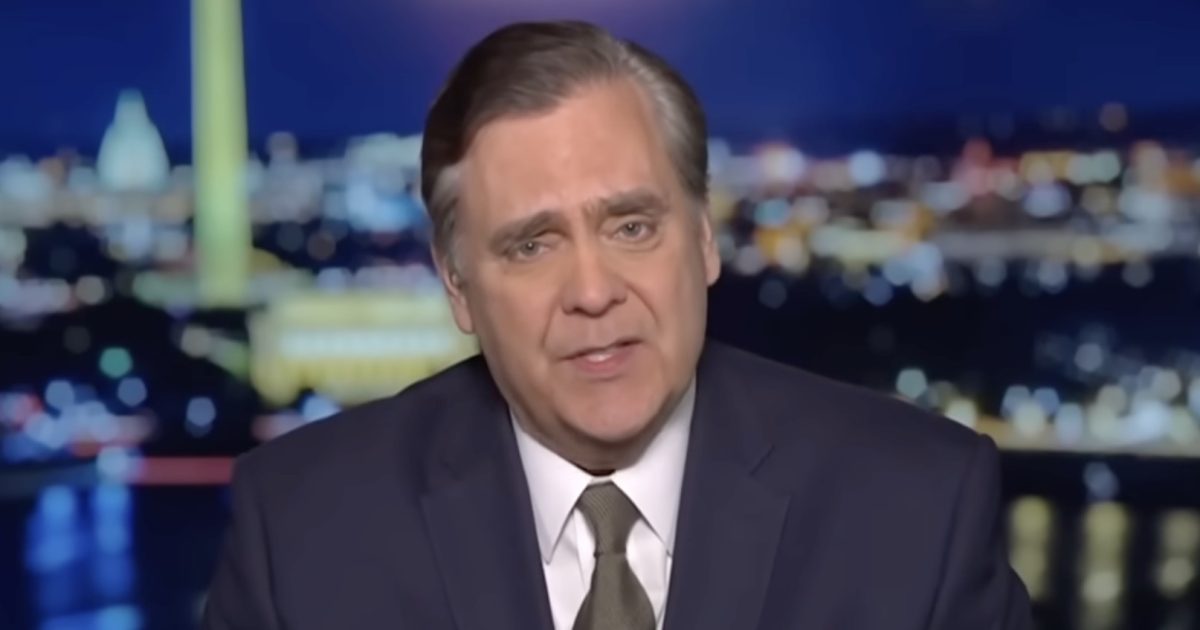
But according to respected legal analyst Jonathan Turley, this ruling is far from the end of the road for Trump’s America-First trade agenda.
As Turley noted, the writing was already on the wall during oral arguments back in November 2025, when Chief Justice Roberts repeatedly referred to tariffs as a tax. But what the majority framed as a separation-of-powers issue, dissenting justices warned could now trigger:
Years of litigation
Massive refund disputes involving tariff revenue
Treasury instability
Congressional gridlock on trade enforcement
The Court notably declined to address whether the U.S. must return billions already collected under the tariffs, leaving yet another economic landmine unresolved.
During his interview on Fox News, Turley confirmed that while the Court’s decision is outrageous to those who believe in a strong executive defense of the economy, President Trump still holds a “massive tariff toolbox” that can bypass this specific judicial hurdle.
Jonathan Turley:
“It is indeed, and this is what some of us predicted. This was a case where the administration was at a disadvantage. AIPA does not refer to tariffs, and tariffs are a big deal under the Constitution. It’s a critical form of revenue that is left to Congress.
I thought that the administration did a terrific job in front of the Supreme Court. They could not have argued this case better, in my view, but you can’t really escape that language. Right out of the bat, when that oral argument began, Chief Justice John Roberts said, “This is a tax.”
You could almost hear the administration gulping, because that’s not what they wanted the justices to take from their argument. But Roberts and others clearly view this as a tax that rests with Congress.
Now, there’s a lot of runway still for the administration. We have to really get into this opinion—into some of the weeds—to see if it is prospective only. But also, the administration has other tools in its toolbox. It can actually impose tariffs under other statutes. So this night is hardly over for the administration when it comes to tariffs.”
WATCH:
JONATHAN TURLEY: “There’s a lot of runway still for the administration…”
“The administration has other tools in its toolbox. It CAN actually impose tariffs under other statutes!” https://t.co/xGN3evQLch pic.twitter.com/Kya76PnD6y
— Townhall.com (@townhallcom) February 20, 2026
Justice Kavanaugh also noted in his ruling that President Trump retains a broad array of alternative statutory authorities to implement new tariffs moving forward.
Kavanaugh wrote:
“Although I firmly disagree with the Court’s holding today, the decision might not substantially constrain a President’s ability to order tariffs going forward. That is because numerous other federal statutes authorize the President to impose tariffs and might justify most (if not all) of the tariffs at issue in this case—albeit perhaps with a few additional procedural steps that IEEPA, as an emergency statute, does not require.
Those statutes include, for example, the Trade Expansion Act of 1962 (Section 232); the Trade Act of 1974 (Sections 122, 201, and 301); and the Tariff Act of 1930 (Section 338). In essence, the Court today concludes that the President checked the wrong statutory box by relying on IEEPA rather than another statute to impose these tariffs.”
Turley also pointed to looming political pressure in the wake of the ruling. Republicans in Congress now face intense scrutiny from constituents and business groups alike: Will Congress step up and codify Trump’s tariff agenda into law for the long term?
Jonathan Turley:
“That’s what [refund] we’re going to have to dig a little deeper into the opinion to see, if it is prospective only. Also, Congress has to decide if it wants to move here.
The economy is doing extremely well with this administration and with the tariffs, and so the question is: Is Congress going to move in here to make sure that we don’t have to step back in terms of the progress that has been made?
In any case, we’re looking at years of intensive and expensive litigation, unless Congress wants to intervene and try to streamline that process. But there’s still a lot to be resolved. This is a fractured decision. It’s what some of us predicted.
What I noted after the oral argument was that it seemed to me like a majority of justices were not buying the tariff argument generally under IIPA, the statute, but they were all expressing different reasons—or many of them were expressing different reasons—for their objections.
So it’s fractured in that sense. We have to see how this is going to play out, but the pressure will be now not just on the administration, but on Congress, because I think that the public itself would not want to see a wholesale return of tariff money to the detriment of the economy.”
The post Legal Expert Jonathan Turley Confirms President Donald Trump Still Has Powerful Tools Available — Including a Massive Tariff Toolbox — Following SCOTUS Outrageous Ruling appeared first on The Gateway Pundit.