
While the world’s cameras and the US State Department’s attention are fixed on the dramatic extraction of Nicolás Maduro from Venezuela, a quieter but potentially more volatile geopolitical shift is underway across the Caribbean Sea.
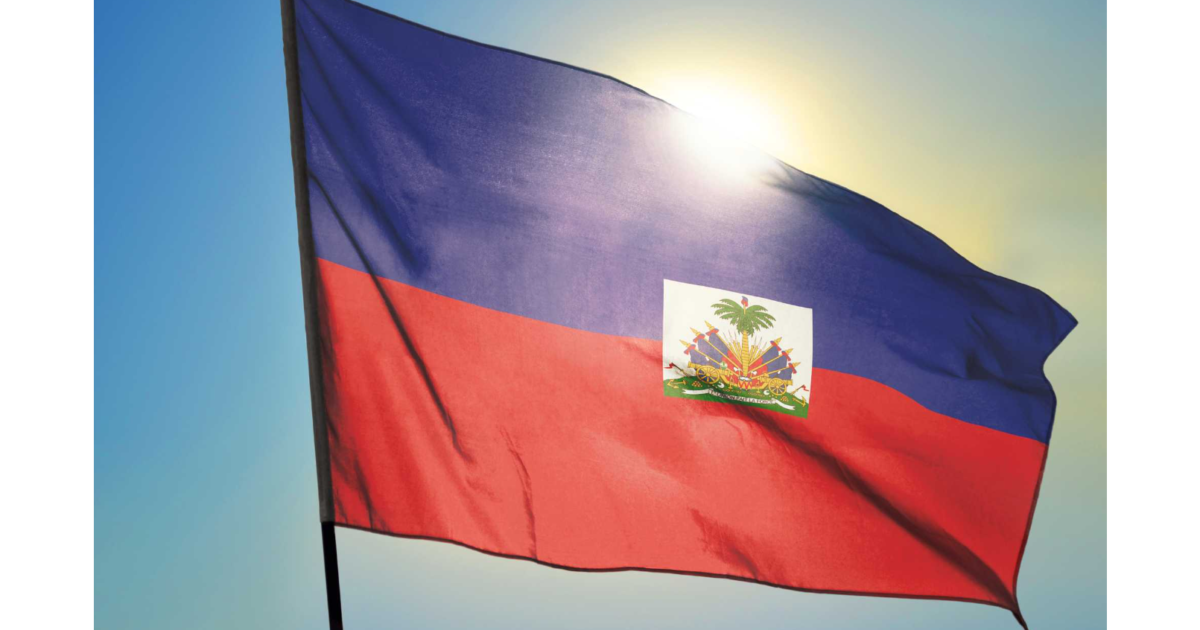
In Haiti, the transitional experiment has collapsed. But the interim government, led by the Transitional Presidential Council (CPT) and Prime Minister Alix Didier Fils-Aimé, is not preparing to hand over power.
Instead, observers on the ground warn that the administration is manoeuvring to extend its rule indefinitely while leveraging a potential pivot to China to insulate itself from Western pressure.
Two years ago, the CPT was installed with a clear and two-fold mandate to quell the gang violence consuming Port-au-Prince and organize elections. By every metric, they have failed. Gangs now control over 90% of the capital, and the electoral calendar remains blank.
Yet inside the government ministries, the mood is not one of panic, but of consolidation. Sources close to the administration suggest the current leadership has effectively abandoned the February 2026 deadline. The objective is no longer transition. It is permanence.
The administration acts less like a caretaker government and more like an entrenched syndicate. Allegations of graft are not limited to a few rogue elements. They appear systemic, implicating the CPT, the Prime Minister’s office, and the cabinet in a web of corruption and gang collusion that has led critics to label the apparatus a “narco-government.”
Aware that their utility to the United States is expiring, Haiti’s leadership is playing a high-stakes geopolitical card. With Washington distracted by the operational demands of the post-Maduro transition in Venezuela, Port-au-Prince is quietly signaling a realignment with Beijing.
The strategy is transparent.
They intend to court Chinese investment and diplomatic cover to replace conditional Western support. By pivoting East, the CPT hopes to secure the funding necessary to survive without implementing the democratic reforms demanded by the US and CARICOM.
They are betting that a fatigued Washington will be too slow to notice the emergence of a Chinese client state on its maritime doorstep until it is too late.
Diplomats and civil society leaders argue that the time for reshuffling the deck is over. The prevailing view among the Haitian diaspora and opposition figures is that the current administration is irredeemable. One civil society organizer noted, “you cannot ask the arsonist to put out the fire”.
The demand is now for a “Year Zero” approach involving the total exclusion of the current CPT, the Prime Minister, and their entire cabinet from any future governance structure.
For now, the US remains largely silent, maintaining the fiction of “tacit support” for a government that is actively plotting against American interests. But analysts warn that this silence is dangerous. The current leadership is counting on US inaction to solidify a dictatorship by committee.
The post As Washington Looks to Caracas, Haiti’s Interim Rulers Plot a Permanent Stay Via Beijing appeared first on The Gateway Pundit.